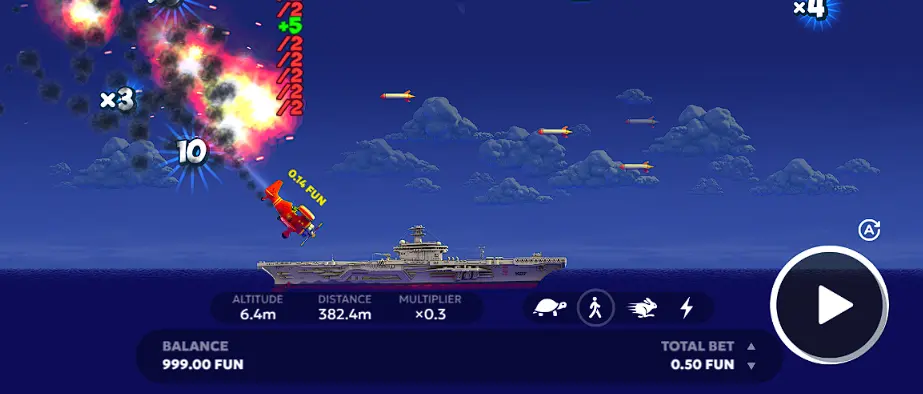
Flight Legends is a captivating flight simulation game that has garnered attention for its stunning graphics and meticulous design. The game aims to provide players with an immersive experience that captures the essence of aviation history, featuring a range of aircraft from various eras. This report delves into the visual and design elements that contribute to the game’s overall appeal and effectiveness in delivering a realistic flight experience.
At the core of Flight Legends’ graphics is its commitment to realism. The developers have utilized advanced rendering techniques to create lifelike aircraft models that reflect the unique characteristics of each plane. From the sleek lines of modern jet fighters to the rugged textures of World War II bombers, every detail is meticulously crafted. The use of high-resolution textures enhances the visual fidelity, allowing players to appreciate the intricate details of cockpit instruments, fuselage markings, and even wear and tear on the aircraft surfaces.
The environmental design in Flight Legends is equally impressive. The game features a variety of meticulously rendered landscapes, including urban environments, vast oceans, and rugged mountain ranges. Each location is designed to reflect real-world geography, complete with dynamic weather systems and time-of-day changes that affect visibility and flying conditions. This attention to detail not only enhances the aesthetic appeal but also adds a layer of challenge and realism to the gameplay, as players must adapt to changing environments.
Lighting plays a crucial role in the overall graphics of Flight Legends. The game employs advanced lighting techniques that simulate the effects of sunlight, shadows, and reflections. This creates a dynamic atmosphere that changes with the time of day, enhancing the immersion for players. The reflections on the aircraft’s surfaces and the way light interacts with the environment contribute to a more believable flight experience. The developers have also included effects such as lens flares and atmospheric haze, which further elevate the visual quality.
User interface (UI) design is another critical aspect of Flight Legends. The UI is designed to be intuitive, providing players with essential information without overwhelming them. The cockpit displays are modeled after real aircraft instruments, ensuring that players can easily understand their flight status. The use of clear icons and a streamlined layout allows players to focus on flying rather than navigating through complicated menus. This design philosophy enhances the overall user experience, making it accessible for both novice and experienced pilots.
Moreover, the sound design complements the graphics, creating a holistic experience. The game features authentic engine sounds, environmental audio, and even the subtle nuances of cockpit interactions. This auditory layer enhances the visual elements, making the flight experience more immersive and engaging.
In conclusion, the graphics and design of Flight Legends are integral to its success as a flight simulation game. The combination of realistic aircraft models, detailed environments, dynamic lighting, intuitive UI, and immersive sound design creates a captivating experience that resonates with aviation enthusiasts and gamers alike. As technology continues to advance, it will be exciting to see how future iterations of Flight Legends evolve, pushing the boundaries of what is possible in flight simulation graphics and design.